
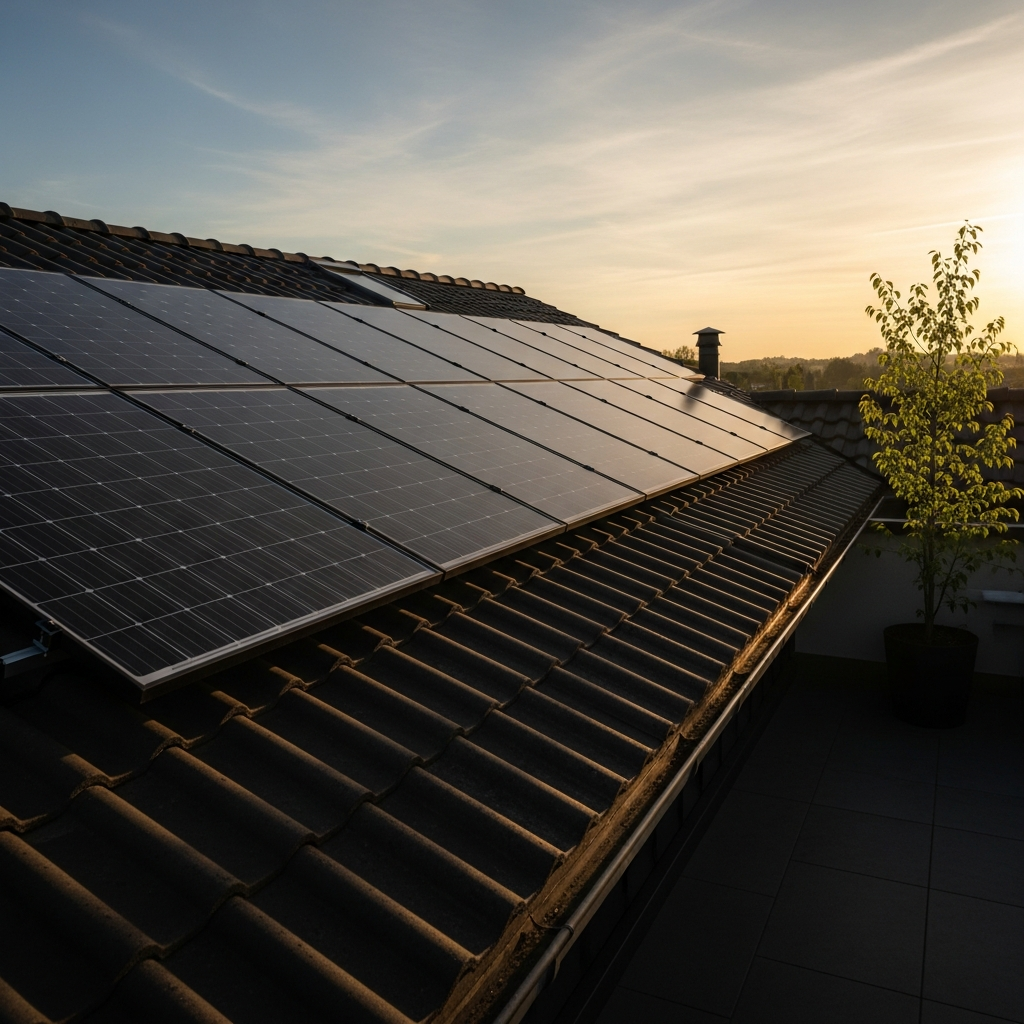
Solar Surge Alert: How Solar Panel Degradation and Solar Maintenance Affect Solar Power Lifespan
The Solar Energy Industries Association says U.S. residential solar capacity grew 27% in 2024, pushing the national total past 40 gigawatts. That growth is good for solar, sure. But here’s what matters to you as a homeowner in 2026. When installs explode, a lot of companies start moving too fast. Corners get cut. Maintenance gets ignored. And then three to five years later, people start calling guys like me because the system’s already underperforming, way before your solar power lifespan should even be a worry.
Let me break it down for you. I’m going to tie that market surge to what I’m seeing on roofs in New Jersey and Pennsylvania, especially around solar panel degradation, extreme heat output loss, and the simple maintenance stuff that keeps your production where it should be.
What the Solar Surge Means for Your Solar Power Lifespan
Here’s what’s really going on. When demand spikes, some crews scale up overnight and quality slips. You don’t always see it on day one. You feel it later when you’ve got a leak, loose wiring, cracked tiles, flashing that’s doing nothing, or monitoring that was never set up right in the first place.
SEIA’s year review is a solid snapshot of how mainstream residential solar has become, and you can dig into the numbers in the solar market insight report. I’m not linking it to pump you up. I’m linking it because big growth years are exactly when I see the service calls pile up a few years down the line.
Out in the real world, solar power lifespan is rarely limited by the panel itself. It’s limited by install quality, preventable water intrusion, and skipped solar maintenance. That’s the truth, even if it’s not the fun marketing answer.
Mid-roof reality check. If you’ve never had your system looked over, start with a real solar panel maintenance visit that includes roof, electrical, and performance validation. Not some quick rinse, a couple photos, and a handshake.
Solar Panel Degradation Is Normal, But Heat Can Make It Worse
Panels lose output over time. That’s normal. What’s not fine is when heat, poor airflow, and dirty glass stack up and push losses higher than they should be. I’ve seen this a hundred times on black shingle roofs with tight racking and barely any ventilation gap. The array bakes all summer, then the homeowner’s surprised when production falls off.
Research keeps pointing to heat as a performance problem, and the talk about hotter summers lines up with what we’re seeing on service calls. If your area is getting long heat waves, extreme heat output loss can turn a small dip into a real seasonal hit you’ll notice on your bill.
Your installer should’ve explained that heat management is part of long-term reliability. If they didn’t, don’t panic. You can still get ahead of it with inspections, cleaning, and making sure airflow around the modules isn’t blocked.
If you want the practical version of how to keep things steady year after year, read how to keep solar power systems running smoothly. This is the stuff that slows the creep of solar panel degradation in the real world.
Solar Panel Cleaning Frequency: The Boring Habit That Saves Production
Listen, I’m gonna be straight with you. Most people either clean their panels way too often and end up risking damage, or they never clean them and leave production on the table. In the Northeast, pollen season is no joke. Add in roadside grime, and you’ve got the perfect recipe for low output. Bird droppings and leaf sludge are even worse. They don’t “rinse off eventually” like people love to tell themselves.
Nine times out of ten, “my panels are dying” is dirt, shade growth, or a monitoring issue. Solar panel cleaning frequency depends on your site, but you should at least eyeball the array a few times a year. If you see buildup that’s not going to wash away in the next rain, that’s your sign.
If you’re not sure what safe cleaning looks like, don’t guess. Use a crew that understands glass coatings, roof safety, and electrical shutoffs. This is why we treat solar panel cleaning like a real service, not some weekend project with a squeegee and a ladder (I’ve seen how that ends).
- Dirty panels can mask real problems like hot spots and microcracks.
- Bad cleaning can create problems like scratched glass or damaged wiring.
- Consistent cleaning supports solar power lifespan because your system runs closer to design output.
Solar Inverter Lifespan: The Part That Usually Fails First
Panels get all the attention, but the inverter does the heavy lifting every day. Solar inverter lifespan is usually shorter than panel lifespan. That’s not scare talk. It’s reality. It’s electronics, it runs hot, and it lives outside.
When inverters start acting up, homeowners often catch it late because nobody’s watching the data. Or they think they’re watching it, but the monitoring was set up wrong from day one. Then a sunny week rolls by, the lights look “normal,” and they assume everything’s fine while production is quietly tanking.
If your production looks flat or inconsistent, start simple. Check your monitoring, then confirm the inverter status lights, then compare year-over-year production trends. Don’t overthink it.
For the quick troubleshooting path, use solar inverter repair tips. It’s written for homeowners, but it follows the same order we use when we’re diagnosing systems in the field.
Solar Power Monitoring Systems Catch Problems Before You Lose a Season
Here’s the part nobody likes to admit. A lot of systems are “installed” but not really tracked. Solar power monitoring systems are the difference between catching a failed optimizer in a week and finding out a year later when you finally notice your bill creeping up.
I’ve walked into homes where monitoring never got connected to Wi-Fi. I’ve also seen monitoring accounts registered to the installer, not the homeowner. That’s a control problem. And yes, it can shorten your solar power lifespan because little issues sit there and grow.
Start with two goals. You want daily visibility and alerting that you control.
- Confirm the monitoring portal is in your name and tied to your email.
- Set alerts for drops in output and device offline events.
- Compare this month to the same month last year, not last week.
If you want to really dial it in, check out solar performance monitoring so you can catch the stuff that quietly drags down output.
Roof Leaks and Solar Panels: The Problem That Ruins Trust Fast
Roof leaks and solar panels go together for one reason. Bad flashing. I’m not saying every solar install leaks. I’m talking about rushed installs, sloppy penetrations, and crews that don’t respect how water actually moves across a roof.
When a homeowner calls me about a leak, it’s almost never the panel. It’s the roof work under the panel. Then the roofer blames the solar company, the solar company blames the roofer, and you’re stuck in the middle paying for everybody’s finger-pointing.
This is where having one team that understands both roof systems and solar hardware matters. That’s why we handle roofing across our service areas and why our solar crew works side by side with roofing pros when removal, re-flashing, or reinstallation is needed.
If you’re dealing with a leak or planning a reroof, start with roofing services so the roof and array get treated like one system, not two separate jobs fighting each other.
Solar Panel Replacement Signs You Should Not Ignore
Most panels don’t need replacement early, but some do. Solar panel replacement signs usually show up in the data before they’re obvious on the roof. I’m talking about one string dragging down an entire array, or one section underperforming after a storm and never recovering.
Keep your eye out for these patterns.
- Persistent underperformance of a single panel group compared to the rest
- Frequent inverter or optimizer errors tied to the same location
- Visible damage like delamination, burn marks, or shattered glass
- Water intrusion around junction boxes or connectors
When it’s time, you want a tech who proves the failure first, not someone guessing from the driveway. If replacement is on the table, read solar panel replacement so you know what the process should look like and the shortcuts you don’t want taken on your roof.
Solar Warranty Coverage: Read It Like a Contractor, Not Like a Marketer
Solar warranty coverage is a pile of fine print. You’ve got product warranty, performance warranty, labor coverage, and then the big one. Who’s even still around to honor it.
Bottom line is this. A warranty doesn’t stop anything from failing. It just decides who pays and how long you’re waiting. I’ve watched homeowners sit for months while a manufacturer asks for photos, serial numbers, and test results the original installer never bothered to record.
Protect yourself with a simple file. Keep your as-built layout, inverter model, panel models, serial numbers, and monitoring access details. When you need service help, that info can save you weeks of back and forth.
If you’re wondering who handles repairs when the installer disappears, take five minutes and read who repairs solar panels. It’ll save you a lot of pointless phone calls.
Solar Panel Lifespan in New Jersey: What Actually Shortens It
Solar panel lifespan in New Jersey can be great, but our conditions are sneaky. We get pollen, humidity, nor’easters, ice, and brutal roof temps in July and August. The panels can handle a lot. It’s the little details around the system that fail first.
These are the biggest lifespan killers I see in NJ and eastern PA.
- Poor critter protection that leads to chewed wiring and nests under arrays
- Loose clamps and racking shift after freeze-thaw cycles
- Rusted or mismatched hardware that wasn’t spec’d for coastal and humid conditions
- Shading changes as trees grow and homeowners forget
Critters are not a minor issue. They’re a system-stopper. If you hear scratching, see nesting, or notice sudden output drops, look at critter solutions because wiring damage can snowball into inverter faults and real safety risk.
FAQs About Solar Power Lifespan and Real-World Performance
How long is a typical solar power lifespan for a home system in 2026?
Solar power lifespan is often 25 to 30 years for the panels, but that doesn’t mean it’ll perform perfectly the whole time. Solar panel degradation is normal, and parts like inverters can fail earlier. Keep up with solar maintenance and use solar power monitoring systems, and you’ll usually keep output steadier for longer.
What causes solar panel degradation to speed up in hot summers?
Heat stresses materials and knocks efficiency down in real time, and over years it can contribute to faster aging. Extreme heat output loss is worse with tight racking or dark roofs that don’t let the array breathe. Clean glass matters too, because grime holds heat. Good solar maintenance and sensible solar panel cleaning frequency help keep temps and losses in check.
How do I know if my inverter is hurting my solar power lifespan?
If production drops sharply, your solar inverter lifespan may be ending, or you may have a fault that needs repair. Check monitoring first, then look for inverter error codes or frequent disconnects. A failing inverter can make it look like you’ve got heavy solar panel degradation when your panels are actually fine.
Do solar power monitoring systems really make a difference?
Yes. They catch problems early. Solar power monitoring systems help you spot string issues, optimizer faults, and communication errors before you lose months of output. They also help you separate normal solar panel degradation from a fixable equipment issue. Monitoring doesn’t replace solar maintenance, but it makes maintenance a lot smarter.
What are the most common solar panel replacement signs homeowners miss?
Most people wait for visible damage, but the early solar panel replacement signs show up in the data. Look for one section consistently underperforming, recurring device errors, or sudden variance after storms. Solar power lifespan depends on fixing these early, because one bad component can drag the rest of the system down.
How do roof leaks and solar panels impact long-term system reliability?
Roof leaks and solar panels become a mess when flashing or sealing details are done poorly. Water intrusion can damage roof decking, wiring pathways, and sometimes connectors. That can shorten solar power lifespan by forcing emergency removals and repairs. A roof-savvy solar service team fixes root causes instead of patching symptoms.
What should I look for in solar warranty coverage to protect solar power lifespan?
Solar warranty coverage should be clear about what’s covered for parts, performance, and labor, plus who runs the claim process. Keep your system documentation and make sure you control monitoring access. Warranties help, but solar power lifespan is protected more by good installs, regular solar maintenance, and fast repairs when issues show up.
Get Fast Quote
If your production is slipping, your monitoring looks weird, or you’re dealing with leaks, critters, or heat-related performance drops, reach out. I’ll tell you the truth about what you’ve got, what’s urgent, and what can wait. And if it’s something you can handle yourself, I’ll tell you that too.