
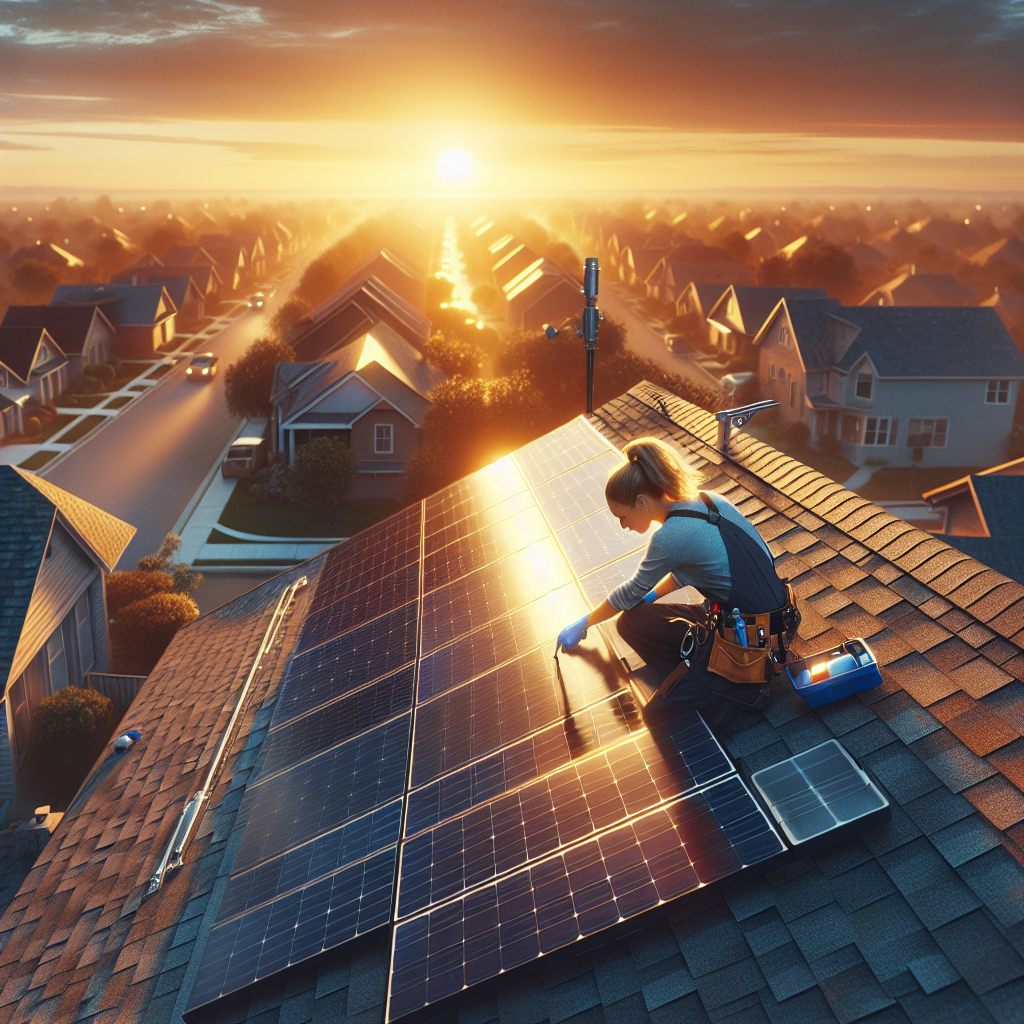
2024’s Epic Solar Boom… But The Real Gains Come From Smarter Upkeep
Let me tell you something you probably already felt in your gut—solar is booming. In just one year, U.S. residential solar capacity jumped 27%, crossing over 40 gigawatts. That’s not just a stat to brag about—it’s a signal you’re not crazy if you’re seeing more panels in your neighborhood every week.
But here’s the real deal though—more installs mean more chances for things to go sideways. Systems lose performance in extreme heat, seals crack in Jersey winters, and inverter issues sneak up like a raccoon under the rafters. Doesn’t matter if your system’s brand new or a few years in, if you’ve skipped professional maintenance, you’re leaving serious production (and money) on the table.
According to the crew at Energy Solution Solar, the difference between an optimized system and a neglected one can swing your output by 5–15% annually. That’s not small potatoes—especially when that power drop hits during your peak cooling bill season.
This article? It’s gonna break down what’s really going on behind that “free energy” promise and how the right solar panel maintenance company makes or breaks your long-term savings. You’ll learn:
– Why faster degradation in hot zones is changing how folks schedule cleanings and repairs
– How new federal tax credit deadlines are forcing smart homeowners to act now
– What old-school maintenance tricks still work—and which ones don’t cut it anymore
– Why more folks are searching for solar maintenance companies near me before the next Nor’easter hits
Let’s get into it—because the sun doesn’t pay your bills if your system’s half asleep.
The Tax Credit Clock Is Ticking—Don’t Lose Thousands Waiting
You’ve probably heard by now: the 30% federal tax credit for renewable energy gets chopped down to 26% at the end of 2025, unless Congress hits pause. That 4% shift? It might not sound like much, but depending on your system size, you could lose thousands in expected returns.
Thing is, claiming that full credit means showing your system’s functioning properly—and trust me, the IRS doesn’t take kindly to systems that “weren’t performing” due to avoidable issues like clogged inverters, cracked wire seals, or squirrel damage (don’t laugh—I’ve seen it all).
You’ve got guys right now in Middlesex and Edison rushing to schedule full diagnostics before winter hits. And smart move too, because panels lose more output than you think in cold-season shading and dirt buildup. That’s especially true for homeowners who haven’t had a professional check done in the last 18 months.
If you’re running a commercial setup, don’t think you’re immune either. Keeping your commercial solar panel maintenance schedule tight ensures your system stays certified under warranty and keeps ROI projections accurate.
Bottom line? That 30% credit is real money—you just gotta protect the system that earns it.
Hot Panels Fail Faster—Here’s Why 2024 Changed The Game
Now listen—this is important. The Lawrence Berkeley National Lab just dropped a heat bombshell: solar systems in hot climates are losing power twice as fast as expected. Output degradation’s hitting up to 0.8% every year, mainly due to prolonged high temps.
Translation? If you’re in Central Jersey—or anywhere baking under those longer summers—your panels’ glass might look perfect, but their internals are quietly frying. Dust buildup acts like a thermal blanket. Heat climbs, diodes cook, and you lose that sweet full-watt output.
I had a system in Plainsboro last summer dropping 12% output. Guy thought it was a monitoring hiccup. Nah—it was seal contamination from attic heat backflow. Had he called sooner, we could’ve saved that production, no sweat.
If you’re looking at managing a field-scale array, this becomes even more brutal. Solar farm maintenance contracts now include quarterly thermal inspections instead of semi-annual—smart change if you want to avoid warranty-denied claims for “excessive heat exposure.”
One good step this month? Book a pro cleaning and thermal scan. My crew at Positive Energy Solutions offers both under standard maintenance… and they won’t push a panel swap if all you need’s a sealant retouch and combiner box vacuum.
Looking for help in your area? Search “solar panel repair and maintenance near me” but make sure they don’t use water alone—soap matters.
Critters, Cracks & Cascading Failures: The Silent Killers
Let me break it down for you—the fastest way a solid install becomes a problem child? Wildlife invasion mixed with seal failure. I’ve serviced dozens of systems where a squirrel or raccoon turned panels into high-voltage hamster wheels.
That’s why we started branching into critter guard systems in Bridgewater, and trust me, it’s not just for woodsy areas anymore. Urban pigeons are savvier than you’d guess.
And cracked seals? They invite moisture. Moisture invites arc faults and corrosion. That’s not theory—I’ve diagnosed six failed optimizers last March in Princeton—all due to UV-damaged junction covers and weather-cracked conduit entries.
This stuff doesn’t wait around for your schedule or warranties either. You don’t want to find out mid-rainstorm that you’ve got water breaching your attic from a poorly flashed roof hook.
Stop disaster before it starts. Full visual inspections twice per year, plus scheduled diagnostics from a legit solar system maintenance company near me, is how you win this game long-term. And if your installer’s MIA? Yeah… you’re not alone.
Commercial Systems: New Standards for Serious Output
Things get even more critical with larger systems. I’ve worked on dozens of commercial rooftops that were supposedly covered under “maintenance contracts”—until something failed.
Here’s what’s becoming standard now for good reason:
– Quarterly inverter scans using IR
– Single-point grounding verification every 12 months
– Full array washing with deionized water twice per year
– Monitoring response within 48 hours
Those aren’t extras—that’s table stakes if you want optimal efficiency and no warranty voids. Some commercial setups we service through Edison’s troubleshooting team have added predictive analytics to stay ahead of failing strings.
Need help calculating the metrics for your O&M plan? That’s what we do—we’re not just the solar panel maintenance company down the street. We’re the ones who walk your roofline when others send you a drone video and call it “inspection.”
Even First Solar and Tesla commercial installs benefit from human eyes once per quarter. Machines help us, but they don’t replace us.
Max Heat Meets Max Risk: Keep Holiday Production Steady
Now’s the time to act, because you get this combo of November grime, icy buildup, and low sun angle—and if you’re already down a panel or two from damage or performance loss, you won’t catch up until spring.
We see it every winter: systems that were down 10% in September are down 23% by January. Lights flicker, EVs undercharge, and the monitoring alerts stack up like bad sushi.
Want to avoid that? Schedule now. Our Branchburg diagnostics crew is already booked two weeks out.
And I’ll say it again—don’t just look for the cheapest technician. Look for someone who knows how to handle solar-specific protocols, not just “my cousin does roofing and electrical.” This industry has rules and voltages that will eat an amateur alive—literally.
Need repairs? We deploy within 24 hours for anything urgent—and unlike most, we actually answer the phone. (Look… we’re from Jersey, we don’t hide when stuff breaks.)
Frequently Asked Questions
What does a solar panel maintenance company do?
A solar panel maintenance company handles diagnostics, repairs, cleaning, thermaI inspections, seal integrity checks, and inverter optimization to keep your system running at peak efficiency. A legit one also helps you identify safety risks and performance drops before they cost you long-term.
How often should I schedule commercial solar panel maintenance?
For commercial systems, every 90 days. You’re usually generating more kilowatt-hours and using sensitive equipment like optimizers or industrial meters. And with commercial solar o&m expectations rising for warranties, service frequency matters.
Are solar panel repair and maintenance near me essential in winter?
Absolutely. Ice damage, snow weight, ultraviolet exposure, and thermal cycling all peak during winter months for rooftop systems. Regular tune-ups prevent problems before they become full shutdowns.
What are the most common problems fixed by solar maintenance jobs?
Cracked seals, failed inverters, panel shading due to debris, wire shorts caused by critters, and microinverter faults. Trust me—I perform these solar maintenance jobs weekly, and they’re usually preventable with a proper checkup.
How do solar farm maintenance contracts differ from residential ones?
Scaling. Larger solar arrays require more frequent inspections, predictive analysis, DC string tracing, and sometimes drone verification. They’re not one-size-fits-all, especially with SCADA and telemetry layers involved in solar farm maintenance contracts.
Is it worth hiring local solar system maintenance companies near me?
Yes—because fast response matters when your production drops. Being local means you’ll often get on-site faster and avoid ghosting, which happens too often with national chains.