
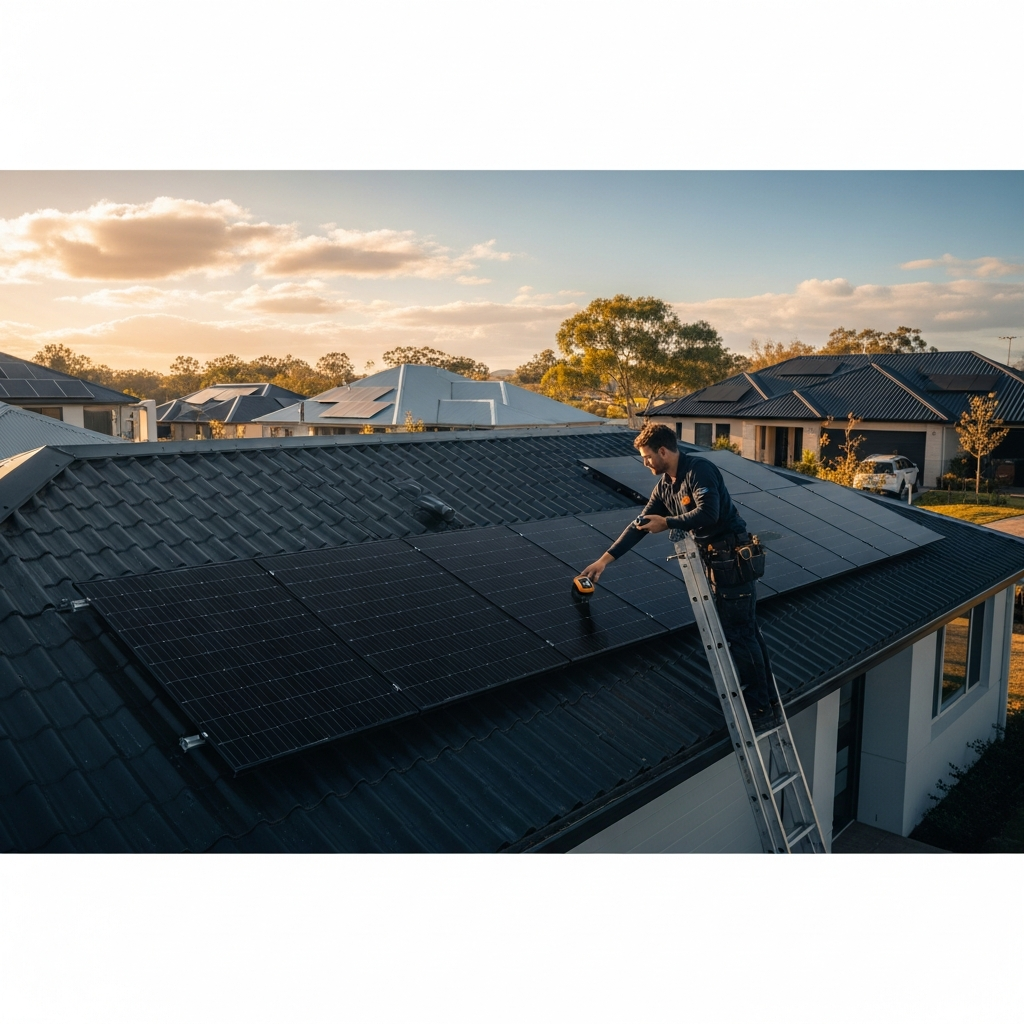
Solar Surge Alert: Residential Solar Panels Pros and Cons Homeowners Can’t Ignore in 2026
SEIA’s latest year review shows the U.S. solar market keeps expanding fast, and residential is still a major driver. That pace matters because when installs surge, I also see a surge in rushed workmanship and skipped maintenance that quietly cuts production.
Let me break it down for you. I’m going to walk you through what the residential solar panels pros and cons look like in the real world right now, what the data is hinting at, and what I’d do this month to protect your system before weather and wear start stealing output.
Solar Surge Alert: What the 2024 Year Review Signals for Homeowners
Here’s what’s really going on. When the industry takes off like this, the good contractors get booked out. Then homeowners hire the guy who says he can “start next week.” That’s when my phone rings.
Use the solar energy pros and the hard numbers from SEIA as context, not as a promise your roof will run trouble-free forever. The growth is real. So are squirrels chewing wiring and roof leaks from a lazy seal job. Both can be true at the same time.
If you want local context from people who actually service systems after the install crew is long gone, start with our blog library and compare what you read to what you’re seeing at home.
What Residential Solar Panels Pros and Cons Means for Today’s Solar Maintenance and Repair
Listen, I’m gonna be straight with you. The biggest pro is still solid daytime generation when the system is designed right and kept in decent shape. The biggest con is a lot of systems get installed like they’ll never need service, which is a fantasy.
Nine times out of ten, it’s not the panels that fail first. It’s everything around them. Flashing, wiring, roof penetrations, critter damage, or an inverter that’s throwing errors. That’s why I tell homeowners to treat solar like a roof-mounted appliance. It needs a checkup once in a while, even if it’s “working.”
If you’re seeing weird dips in production, start with the basics on troubleshooting and repair and don’t let an installer talk you out of looking into it.
5 Benefits of Solar Energy That Still Hold Up When Installed Right
I’ve seen this play out a hundred times on service calls. Homeowners love solar when it’s built correctly and maintained like it should be. Here are 5 benefits of solar energy I see on real homes across New Jersey and Pennsylvania.
- Daytime power production you can track through monitoring and monthly performance checks.
- Better resilience planning when paired with smart electrical upgrades and safe shutdown practices.
- Lower exposure to utility volatility because you’re generating a chunk of your own energy.
- Quiet operation since there are no moving parts on the roof.
- Long service life when penetrations are flashed correctly and the roof stays healthy.
If you want those benefits to stay real, you need to keep an eye on performance. That’s why I push homeowners toward solar performance monitoring so you catch problems early, not after you’ve lost a whole season of production.
7 Disadvantages of Solar Energy I See on Service Calls
Here’s the part that gets glossed over in sales pitches. A lot of “solar problems” are really install quality problems that show up later. If you’re looking into the 7 disadvantages of solar energy, these are the ones that actually trigger the repair visits.
- Shade changes over time from tree growth and new construction.
- Roof leak risk when flashing is wrong or sealant is used as a shortcut.
- Critter damage from squirrels, birds, and nesting under arrays.
- Inverter or optimizer faults that look like “panel failures” to the homeowner.
- Production loss from soiling like pollen, dust, and bird droppings.
- Storm issues when racking or attachments are underbuilt.
- Harder roof work later if nobody plans for removal and reinstall.
If animals are getting under your array, don’t wait. A little gap turns into a chewed harness pretty fast. Take a look at critter solutions and get it handled before the damage spreads.
Pros and Cons of Solar Energy on the Environment: The Real-World View
People argue online about the pros and cons of solar energy on the environment like it’s all or nothing. From what I see in the field, the environmental upside depends on one simple thing. The system has to keep producing close to what it was designed to produce.
A poorly installed or poorly maintained array that limps along year after year is a waste of materials and opportunity. On the flip side, a system that’s cared for and stays productive for decades does exactly what it’s supposed to do.
If you don’t already have monitoring set up, start there. Use solar power monitoring systems to catch stuff like a dead string or an optimizer failure before it becomes your new normal.
Extreme Weather and Heat: What Happens to Output Over Time
Let me break it down for you. Heat, wind, and freeze-thaw cycles don’t just “test” your panels. They test every penetration, clamp, wire tie, and connection point under that array.
I’ve been on roofs after brutal summers where connectors got brittle, conduit straps loosened, and critters took advantage of sagging skirts. Then winter shows up and finishes the job. That’s why production drops aren’t always a panel defect. Sometimes it’s plain wear and tear mixed with sloppy install habits.
If your system is getting up there in age or you’ve had roof work done, plan for a real inspection and service visit. Our residential solar maintenance page lays out the checkpoints that keep small issues from turning into expensive ones.
Cleaning, Seals, and Roof Penetrations: The Maintenance Most Installers Skip
Your installer should’ve told you this upfront. Panels don’t magically stay clean, and penetrations don’t magically stay watertight. If you get heavy pollen, nearby construction dust, or you’ve got birds treating your roof like a hangout spot, you can lose real production from a dirty array alone.
Here’s a simple monthly check you can do from the ground.
- Look for uneven panel color or visible buildup in one section of the array.
- Check for new bird activity and nesting near the lower edge.
- After a heavy rain, scan ceilings and attic areas near penetrations for staining.
When it’s time for a real cleaning, do it safely and do it the right way. Start here with solar panel cleaning so you know what should happen and what kind of shortcuts to shut down.
When Roof Work Comes Up: Why Removal and Reinstall Is Not a Side Job
Bottom line is, solar removal and reinstall is specialized work. I’m not talking about unbolting panels and stacking them in the driveway. I’m talking about labeling circuits, protecting connectors, keeping wire management intact, keeping things weather-tight, and putting it back so it actually produces like it did before.
I’ve walked into jobs where a roofer cut PV wiring, tossed optimizers in a bucket, and then “reinstalled” with mismatched clamps. That’s not a reinstall. That’s a future failure (and it usually shows up at the worst possible time).
If your roof needs work, you want a crew that does this every week, not once a year. See what real removal and reinstall involves on solar panel removal and reinstallation so you can hold any contractor’s feet to the fire.
Why “Pros and Cons of Solar Panels UK” Still Matters to U.S. Homeowners
You might be wondering why pros and cons of solar panels uk shows up in searches over here. Simple. UK homeowners deal with nasty weather swings, strict roof restrictions, and a lot of older housing stock. That sounds a lot like the Northeast to me.
The point isn’t that the markets are the same. It’s that the same mistakes repeat everywhere. Roof condition matters. Waterproofing matters. Monitoring matters. And rushed installs create long-term headaches.
If you’re in New Jersey and you want a local team that actually services what it installs and fixes what other people messed up, check our footprint on service areas.
How to Maximize Solar Energy Pros in 3 Simple Steps
Here’s what I tell neighbors who ask how to get the solar energy pros without getting burned by cheap shortcuts. Keep it simple. Keep it consistent.
- Confirm monitoring is working and look at it at least monthly to catch irregular drops fast.
- Schedule an annual roof and array inspection focused on attachments, flashing, wiring, and signs of animals.
- Fix small issues immediately like loose conduit, damaged mesh, or cracked seals before they turn into system-wide problems.
If you suspect your inverter is the weak link, don’t guess. Start with solar inverter repairs and then get a qualified tech involved if the symptoms keep coming back.
What I Look For When I Inspect a System After a “Fast Install”
I’ve been doing solar since 2009, back when a lot of today’s “solar companies” weren’t even a thing yet. When a homeowner calls me after a rushed install, I’m not looking for perfection. I’m looking for risk and the stuff that’s going to bite you later.
- Attachment layout that follows structural logic and doesn’t miss rafters.
- Proper flashing that sheds water without relying on goop.
- Clean wire management that keeps conductors off the roof and away from critters.
- Grounding and bonding done consistently across the array.
- Monitoring visibility so you can prove performance over time.
If you’re comparing companies, don’t just read the claims on a website. Read what homeowners say when something goes wrong. Check reviews and look for patterns around follow-through, not just install-day happiness.
FAQ: Solar Surge Alert Questions Homeowners Ask Me on Real Calls
What are the residential solar panels pros and cons for a homeowner who plans to stay put long-term?
The pros are strong long-term production and a home energy asset you can track and take care of. The cons show up when the roof, wiring, or seals are done carelessly. Residential solar panels pros and cons really come down to build quality and upkeep. If you stay on top of cleaning, inspections, and critter prevention, the positives usually win.
What are the 5 benefits of solar energy if my system is already installed and a few years old?
The 5 benefits of solar energy still hold up a few years in if the system stays healthy. You still get daytime generation, a clear performance baseline, quiet operation, long equipment life, and better outage planning when your electrical setup supports it. Residential solar panels pros and cons lean positive when you watch output and handle problems early.
Are the 7 disadvantages of solar energy mostly equipment problems or installation problems?
Out in the field, the 7 disadvantages of solar energy are often install and maintenance driven. Loose attachments, sloppy flashing, lazy wire management, and critter entry create failures that look like “bad panels.” Residential solar panels pros and cons get twisted by cheap work. A good inspection and working monitoring knocks down most of the headaches.
How do the pros and cons of solar energy on the environment change if my system underperforms?
If a system underperforms for years, the pros and cons of solar energy on the environment move in the wrong direction because you’re not getting the clean generation you paid for. Residential solar panels pros and cons improve when production stays close to the design target. Monitoring, cleaning, and timely repairs protect the environmental upside by keeping output where it should be.
Why do people in the U.S. search pros and cons of solar panels uk, and is any of it useful here?
People search pros and cons of solar panels uk because UK conversations focus a lot on roof constraints and rough weather, which hits home in the Northeast. The useful lesson is simple. Workmanship and weatherproofing matter just as much as panel brand. Residential solar panels pros and cons are pretty universal the moment water intrusion or wiring issues show up.
What are the top solar energy pros if I’m worried about storms and seasonal changes?
The top solar energy pros include reliable daytime production and the ability to see performance trends through monitoring. For storms, that pro only holds if the array is attached and flashed correctly. Residential solar panels pros and cons can flip fast after one bad storm. A post-storm visual check and periodic inspection are smart habits.
What maintenance helps me get the best residential solar panels pros and cons outcome over time?
Keep it boring and consistent. Use monitoring to catch abnormal drops, clean panels when soiling is obvious, and inspect roof penetrations and wiring yearly. Add critter protection early if you see activity. Residential solar panels pros and cons look a lot better when you treat solar like roof equipment that needs service, not a set-it-and-forget-it gadget.
Get Fast Quote
If you’re seeing production drops, critter activity, roof leak concerns, or you need a removal and reinstall done right, reach out. I’ll tell you what I think even if it costs me the job, and we’ll get you pointed toward the safest next step.